Young South Africans encouraged to explore exciting careers as new vehicle technologies transform the motor industry
SHEILA MHLONGO
DURBAN: South Africa’s changing automotive industry is creating exciting career opportunities for young people, with growing demand for skilled workers in vehicle technology, electronics, diagnostics and customer service.
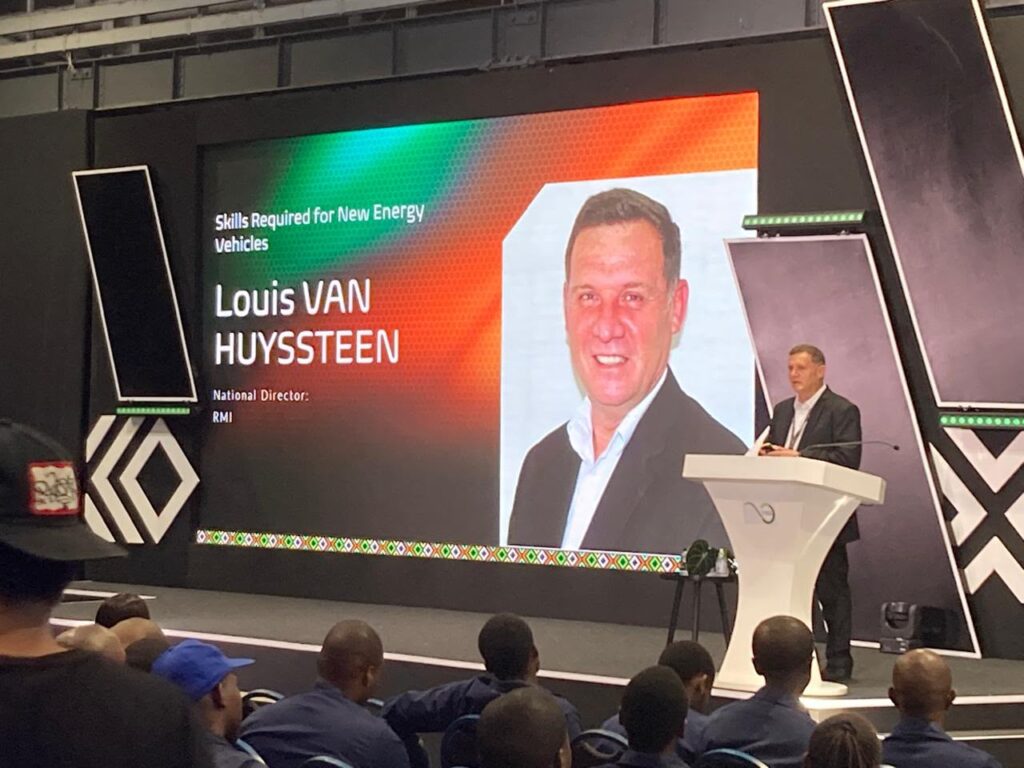
This was the encouraging message delivered by the Retail Motor Industry Organisation (RMI) during South African Auto Week 2026, held at the Durban International Convention Centre (ICC) from 13 to 16 October.
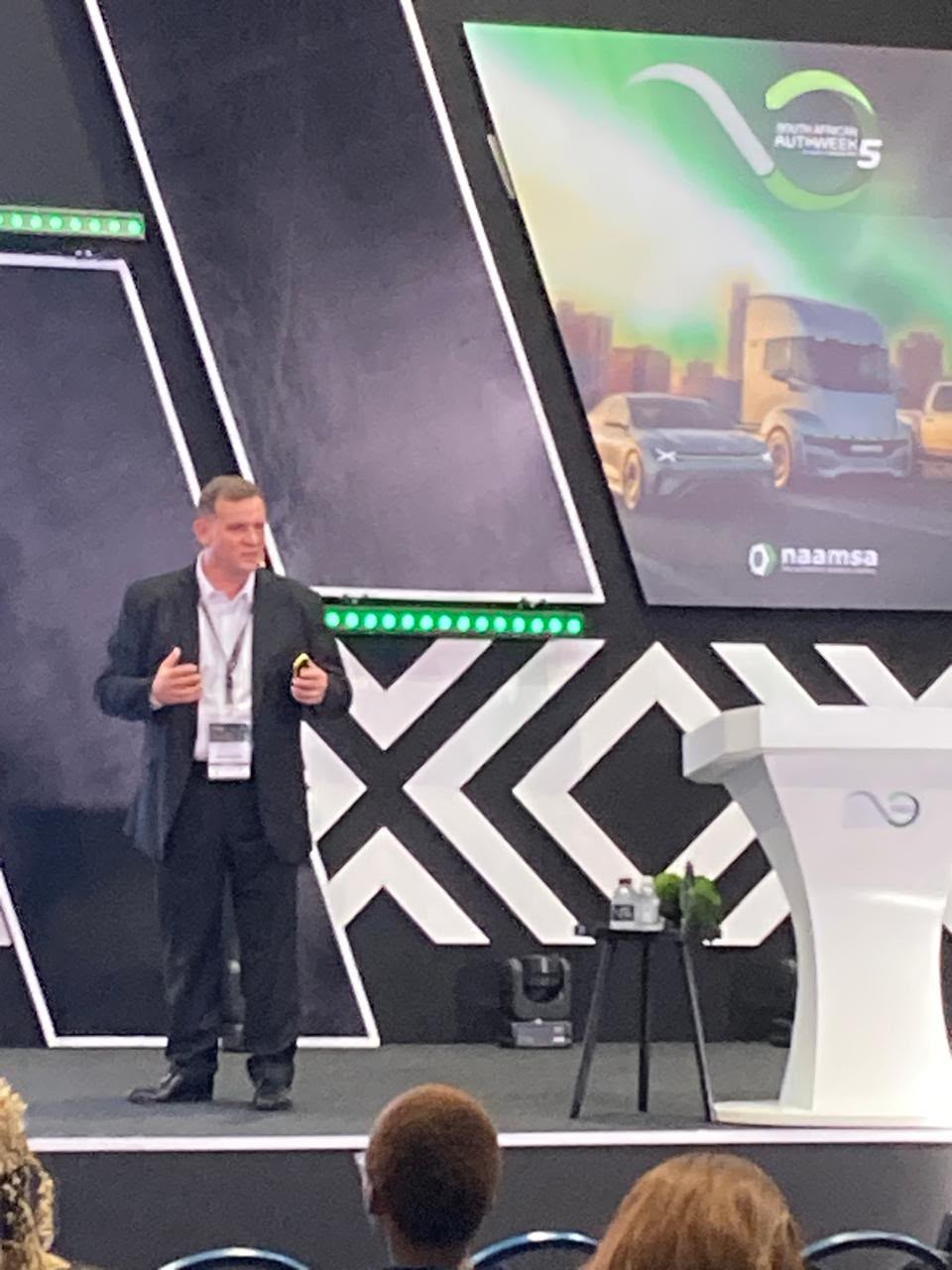
Speaking at the event on 14 October, RMI National Training Director Louis van Huyssteen encouraged young South Africans, particularly Grade 10 to 12 learners, to consider careers in the automotive industry as technology continues to transform the way vehicles are manufactured, maintained and repaired.
“The car is changing, the career is changing, and the opportunity is growing,” said Van Huyssteen.
He explained that although modern vehicles are becoming more technologically advanced, traditional mechanical skills remain important. However, future automotive professionals will also need knowledge of electrical systems, electronics, computers and vehicle diagnostics.
New Technology Brings New Opportunities
The automotive industry is undergoing major changes as hybrid, electric and other new energy vehicles become more common.
However, this does not mean that traditional petrol and diesel vehicles will disappear overnight.
According to information from Lightstone, the average age of vehicles in South Africa is approximately 10 years and 11 months. This means that conventional vehicles will continue to need maintenance and repairs for many years.
At the same time, modern vehicles are increasingly equipped with advanced safety systems, electronic controls and computerised technology.
These developments are creating a need for workers who understand both traditional mechanical systems and modern digital technology.
“The transition to new energy vehicles does not mean that traditional automotive skills are becoming irrelevant. It means that these skills need to evolve,” Van Huyssteen explained.
Automotive Careers Go Beyond Being a Mechanic
One of the key messages shared at the event was that young people do not necessarily have to become motor mechanics to work in the automotive industry.
There are several career opportunities available, including:
- Motor mechanics and automotive technicians
- Vehicle diagnostic specialists
- Automotive electricians and electronics technicians
- Vehicle parts sales specialists
- Customer service and service advisors
- Technical support personnel
- Automotive technology and digital systems specialists
Van Huyssteen said young people who enjoy working with computers, solving problems, understanding technology or assisting customers could also find rewarding careers in the industry.
“Not every career in the automotive industry requires someone to become a motor mechanic. What matters is developing the right skills, gaining practical experience and being willing to continue learning,” he said.
More Than 1,300 Learners Register for Training
To help South Africans prepare for these opportunities, the RMI is supporting several training and skills development programmes.
These include short courses covering automotive electrical systems, vehicle diagnostics and repairs, parts sales, customer service, leadership and problem-solving.
The organisation also supports apprenticeships and artisan development programmes, which allow learners to gain practical workplace experience while developing recognised occupational skills.
Experienced workers who have gained skills through years of practical work can also benefit from the Artisan Recognition of Prior Learning (ARPL) programme, which provides a pathway towards formal recognition of their abilities.
According to the RMI, 1,316 learners had registered for three merSETA-funded training initiatives by 5 October 2026.
Of these, 1,106 registered for short skills programmes, 188 for artisan programmes and 22 for the ARPL programme.
These figures highlight the interest in technical training and the opportunities available to people who want to enter or advance within the automotive sector.
Schools and Parents Encouraged to Support Learners
Van Huyssteen stressed that preparing young people for the changing automotive industry requires cooperation between schools, parents, employers, training institutions and government-related skills development organisations.
He said Technical and Vocational Education and Training (TVET) colleges have an important role to play in providing practical and technical education.
However, classroom learning alone is not enough. Learners also need opportunities to gain real workplace experience under the guidance of experienced professionals.
He encouraged parents and teachers to help learners explore technical careers and understand that vocational education can open doors to meaningful employment and professional growth.
“Early engagement can help young people make informed career choices while building a pipeline of skilled professionals for the industry,” he said.
A Message of Hope for South African Youth
With youth unemployment remaining a major concern in South Africa, the RMI’s message highlights the importance of developing practical skills that respond to the changing needs of the economy.
As vehicle technology advances, young people who are prepared to learn, adapt and develop specialised skills may find new opportunities in the automotive aftermarket.
Van Huyssteen concluded with an encouraging message to learners considering their future careers.
“Whether your interest lies in mechanical systems, electronics, technology, problem-solving or working with people, there is a place for you in the automotive industry. Your future in automotive starts with skills.”
Young people and employers interested in learning more about available training opportunities can visit the Retail Motor Industry Organisation’s website.
Source: Retail Motor Industry Organisation (RMI) / Cathy Findley PR